Historical references to Chalki are limited. Throughout the centuries, the island developed in the shadow of Rhodes, and its history can only be outlined in its main aspects in relation to that of Rhodes and the wider south-eastern Aegean region.
Chalki, which may be regarded as one of the “last beacons of tradition”, is believed to have taken its name from the copper-processing mines that operated on the island in antiquity. The island has been inhabited since prehistoric times. According to mythology, the Titans were its first inhabitants. They were followed by the Pelasgians, who lived on the island for many years and left behind numerous structures, and later by the Carians, the Dorians and the Phoenicians.
According to legend, Queen Aretanassa of Chalki lived on the island until she was exiled to Karpathos, where she took her own life upon learning of her husband’s death. Remains of three temples dedicated to the god Apollo can still be found at the site of Pefkia. In historical times, Chalki is reported to have been, at various periods, subject to Kamiros and is listed as an “ally” of Athens in the annual tribute lists of the Delian League, indicating that it had come under the administrative authority of the Athenian Democracy during that period. It later appears to have returned to the control of Kamiros, subsequently sharing in both the prosperity and decline of Rhodes in the centuries that followed.
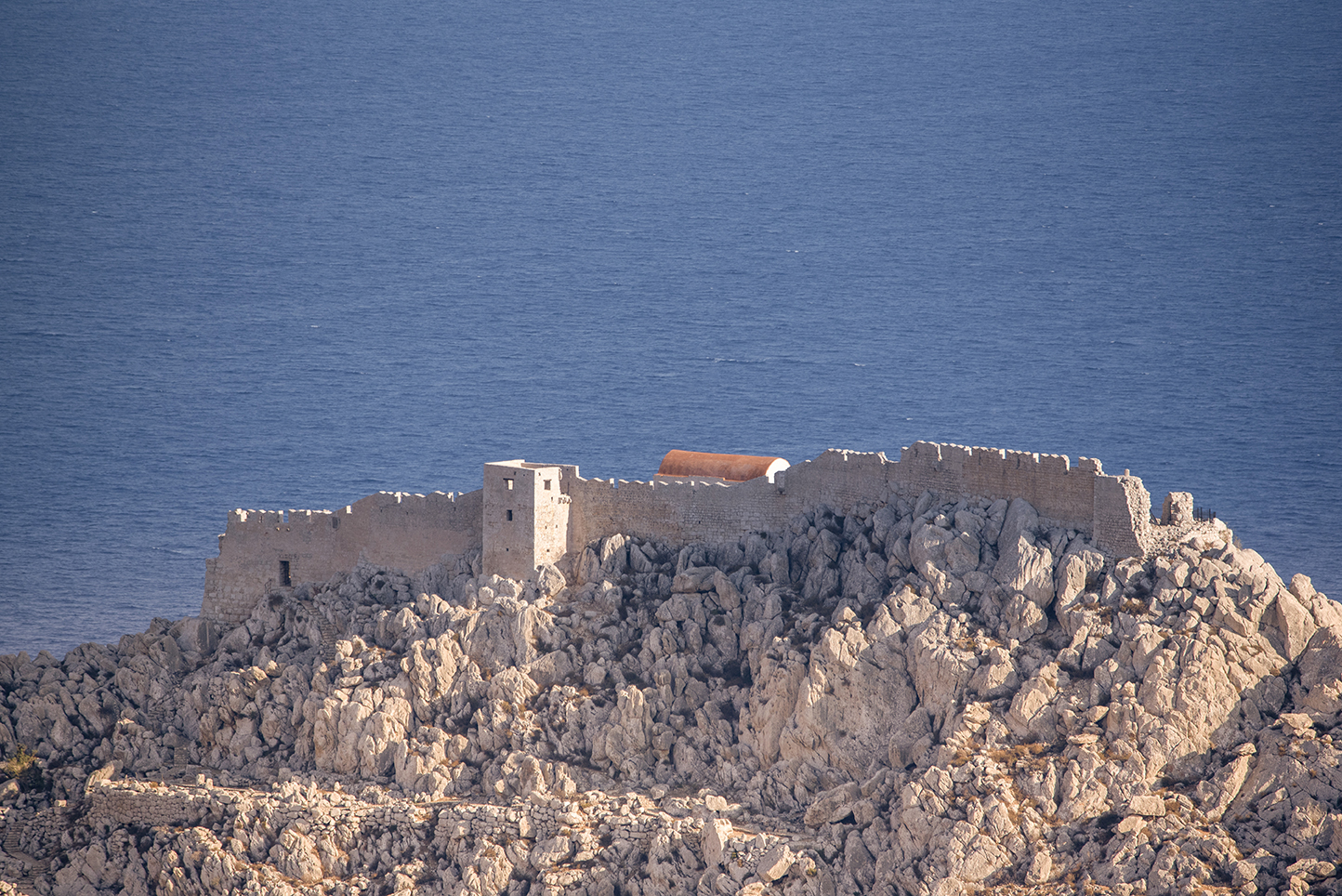
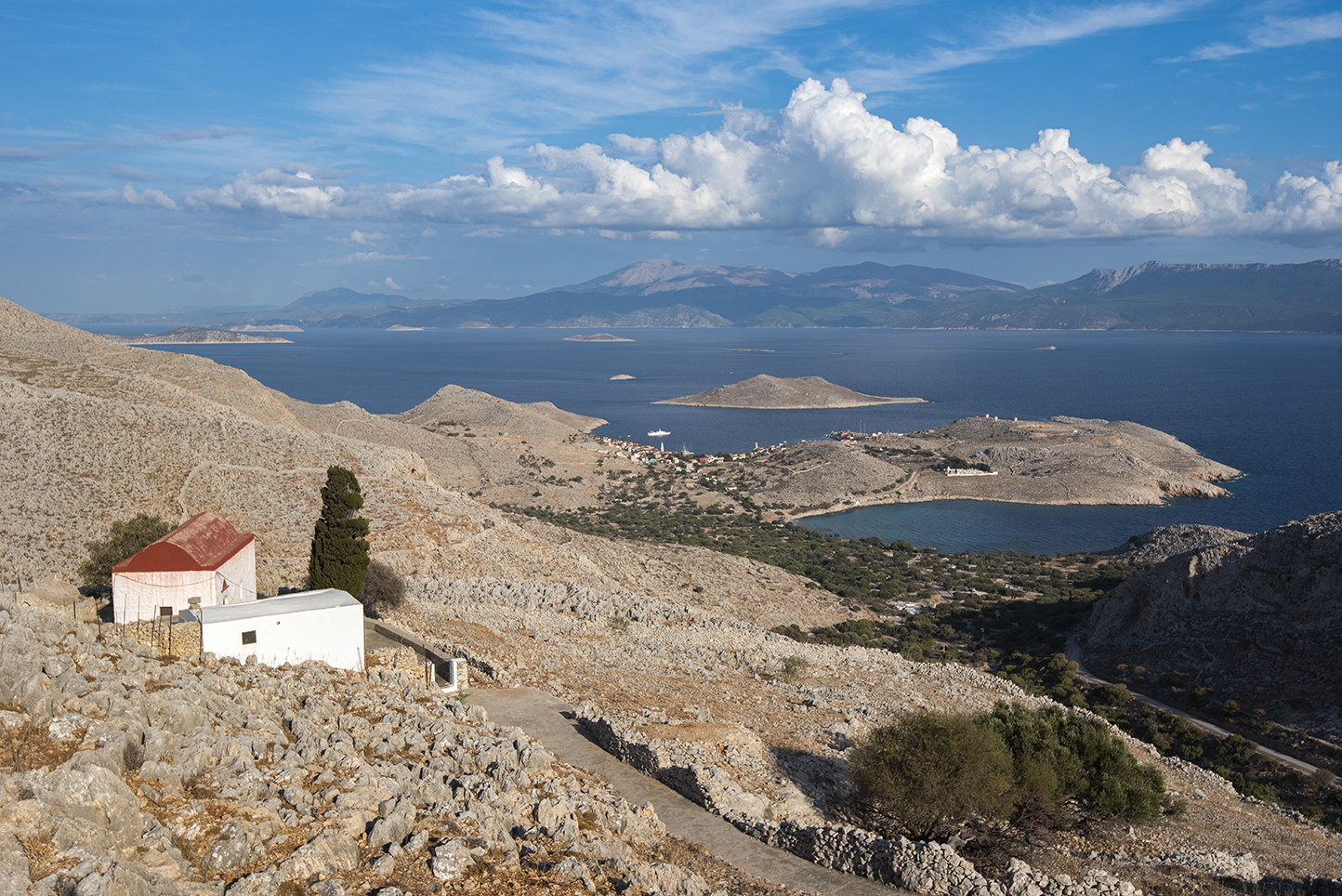
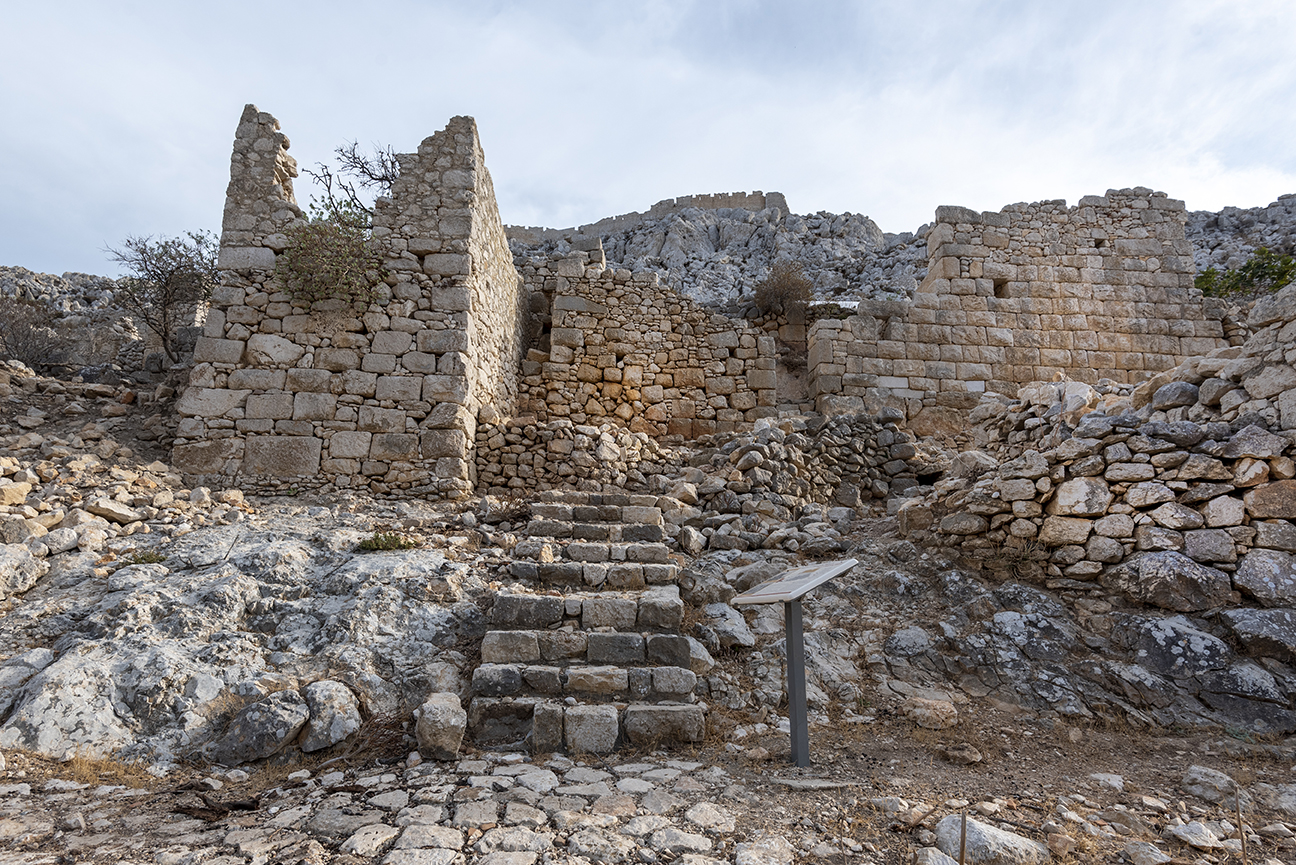
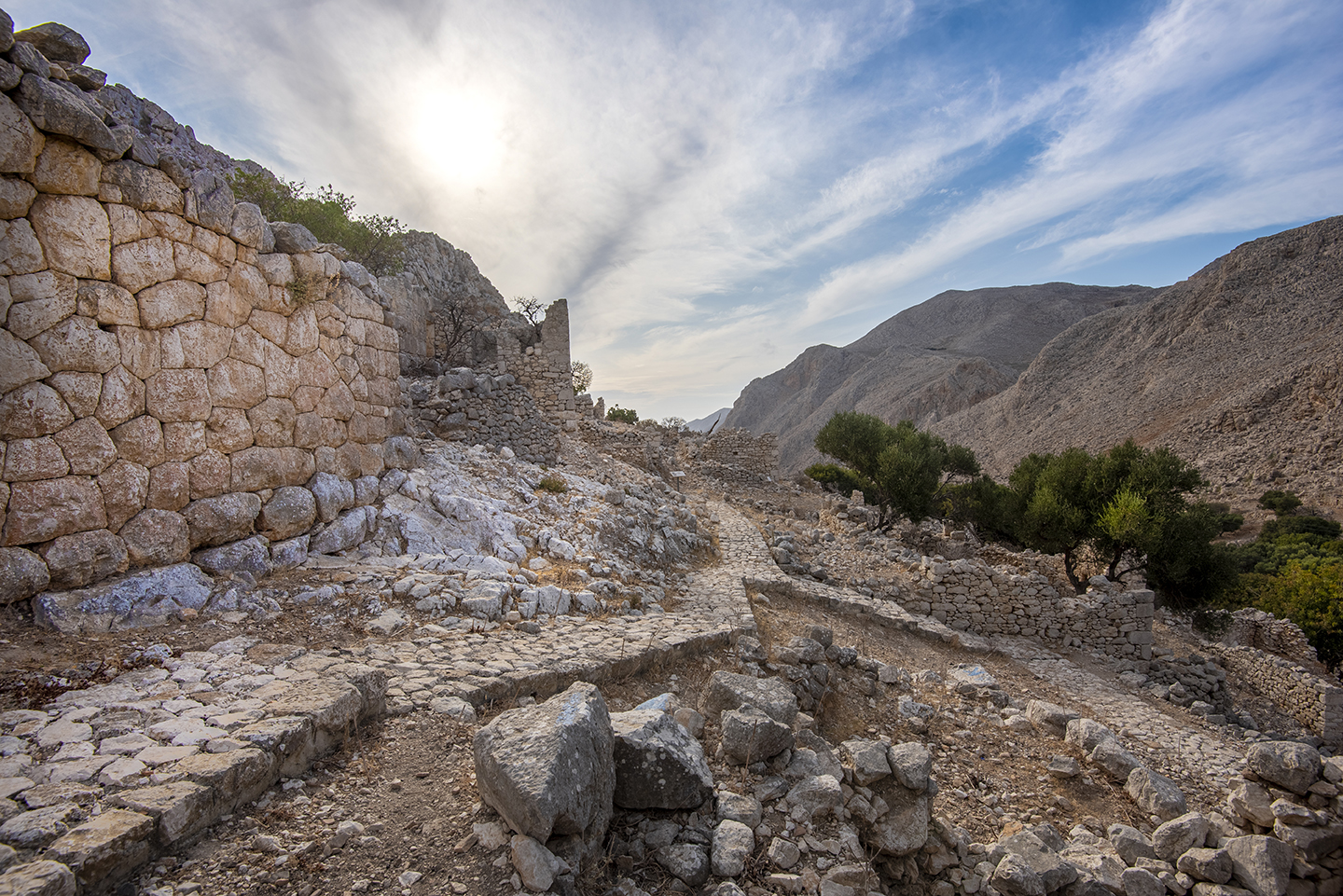
Ιn the 7th century, the island was seized by the Arabs until 825, when it was liberated. The Venetians and Genoese arrived in 1204 and repaired the ancient acropolis, while at the same time constructing a fortress on the islet of Alimia. During the 14th century, the Knights of Rhodes granted Chalki as a fief to the Assanti family from Ischia. At that time, they also built their castle on the ruins of the ancient acropolis. Among the preserved coats of arms is that of the Grand Master Pierre d’Aubusson (1476–1530), who restored the fortress after a destructive Venetian raid on Chalki. In the event of an attack, the castle served as a refuge for the local population. In 1523, Chalki was seized by the Turks.
Chalki took part in the Greek War of Independence in 1821. From the mid-19th century, under Ottoman rule, the island reached the height of its prosperity. Together with Symi, Kalymnos, Kastellorizo and Kasos, Chalki developed trade and sponge diving. Schools were established, and the educational level of the population rose sharply.
During the final years of Ottoman rule and throughout the period of Italian occupation, long-established privileges were abolished, trade and sponge diving declined, and emigration began to increase significantly. In 1912, Chalki was seized by the Italians, along with the rest of the Dodecanese, and came under Italian rule—initially military and, after 1923, civil administration.
During the Second World War, Chalki earned distinction through the struggles and sacrifices of its worthy sons, such as Lieutenant Alexandros Diakos and Captain Diogenis Fanourakis.